Becoming Vegan
Vegan for All
At Catskill Animal Sanctuary, we advocate for vegan living for the animals, for human health, and for a more just and sustainable world. Veganism is rooted in respect for non-human animals and the belief that they deserve to live free from exploitation, violence, and speciesism.
Choosing a vegan lifestyle means making everyday decisions that reduce harm to other species and to the planet. This includes eating a plant-based diet, avoiding animal-derived clothing and products, and supporting practices and industries that protect animals, people, and the environment. Together, these choices help create a future where compassion guides how we live and share the world.
“One to change a few. A few to change many. Many to change the world. It all starts with one.” – Anonymous
Helping Animals
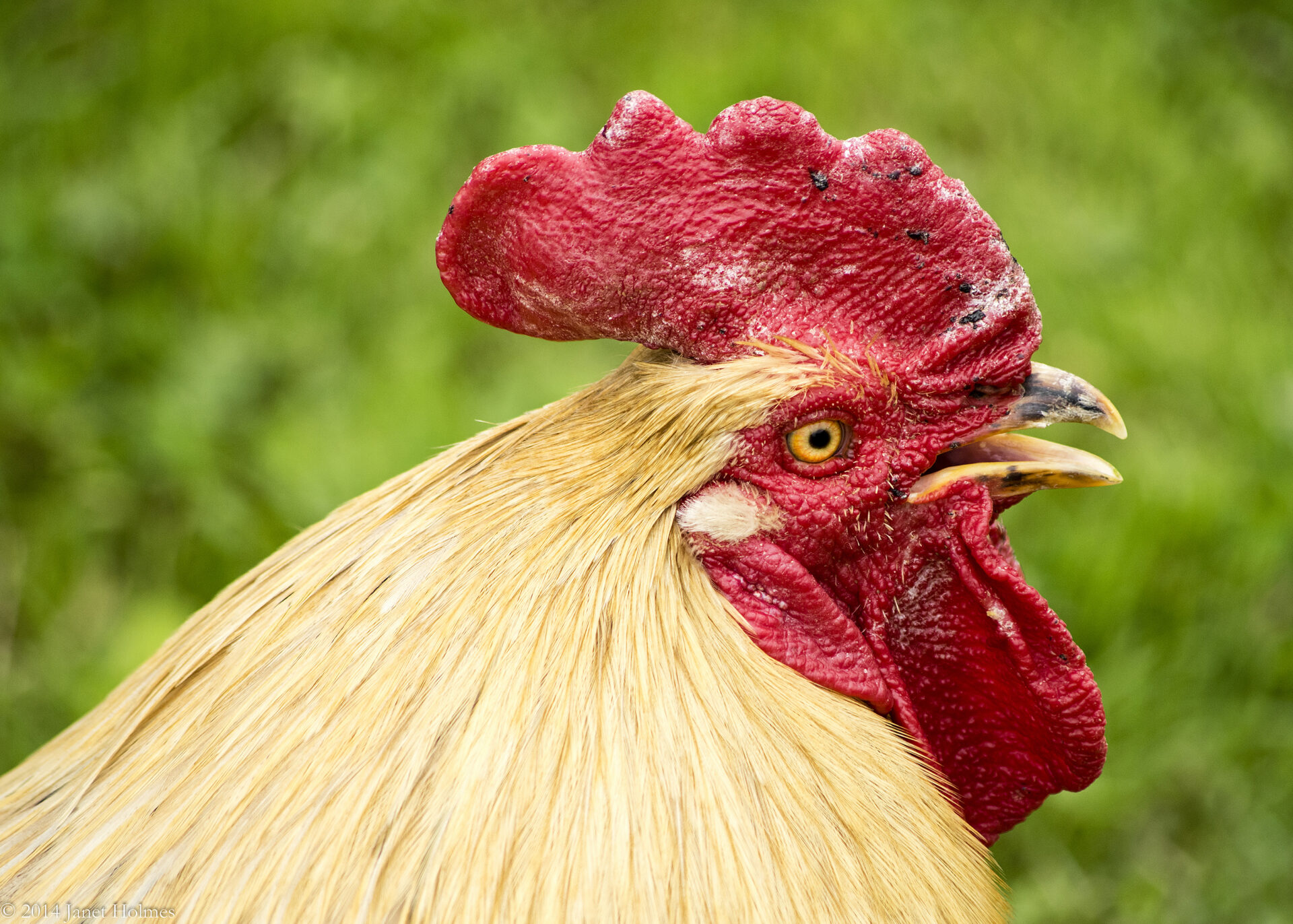
Most people say they oppose animal cruelty, yet systems built on animal exploitation persist because they are reinforced by our everyday choices as a society. When animals are used for meat, dairy, eggs, leather, wool, fur, or product testing, they are subject to horrors such as confinement, suffering, and violent, premature deaths. Vegan living is a direct rejection of this violence. By choosing a plant-based, cruelty-free lifestyle, you help reduce animal suffering while boycotting the systems of industrial animal agriculture.
Helping Earth
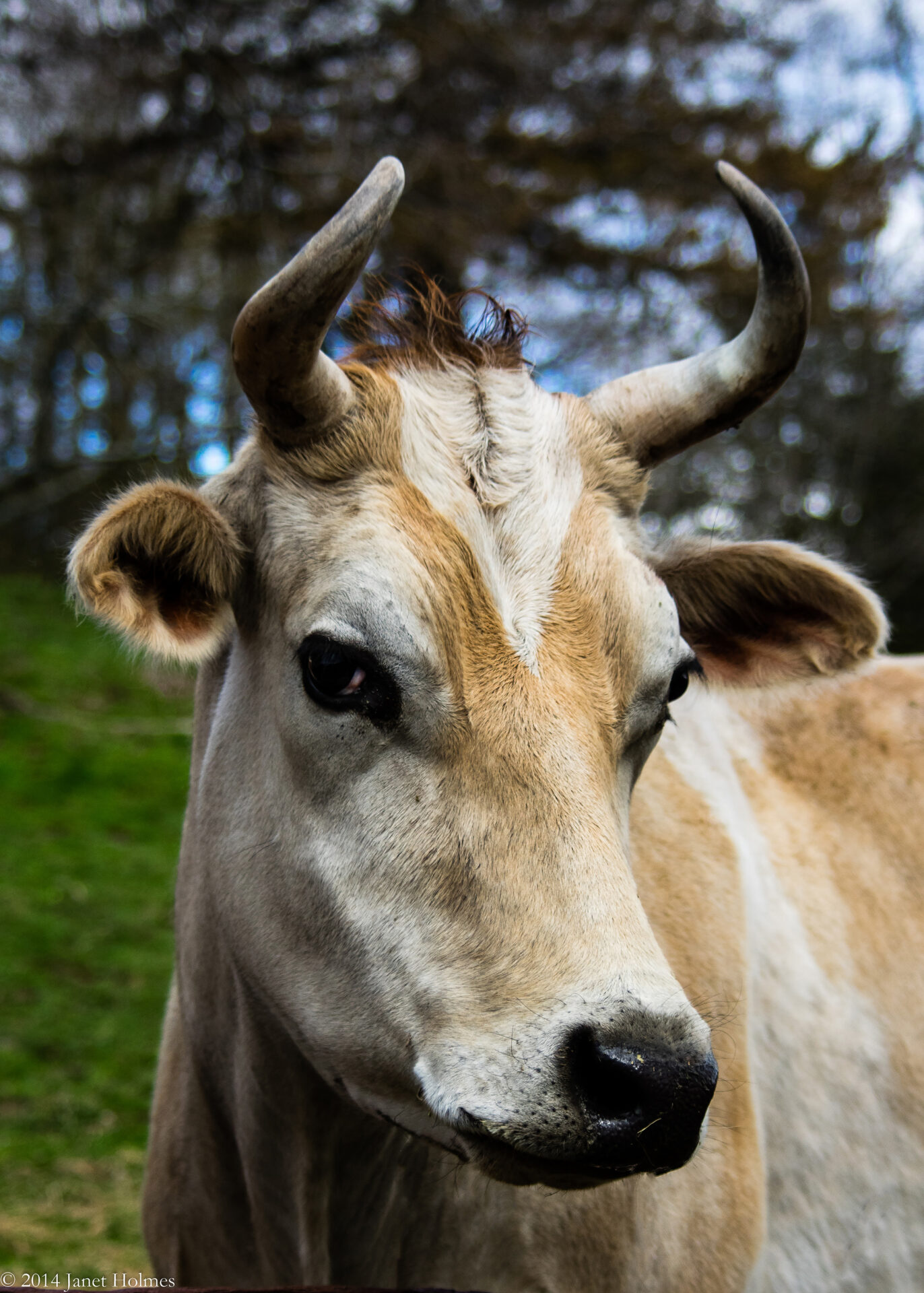
As the realities of climate change become impossible to ignore, many people still underestimate how deeply animal agriculture harms the planet. Industrial animal farming is a major contributor to climate change, deforestation, water pollution, and biodiversity loss, driving the destruction of forests, the contamination of rivers and oceans, and rising greenhouse gas emissions.
Living vegan is a meaningful way to confront this damage. By choosing a plant-based diet, you help reduce pollution, protect ecosystems, conserve water and land, and improve air quality. Vegan living supports environmental sustainability and climate resilience, helping restore the health of our planet for future generations and all of the species who depend on it.
Helping Yourself
Research shows that plant-based diets support long-term health and help prevent chronic diseases. Eating vegan can lower your risk of heart disease, improve cholesterol, reduce blood pressure, and protect against other types of chronic illnesses. Every meal is an opportunity to nourish your body while standing against animal cruelty and reducing your environmental impact. Plus, vegan food is delicious and diverse, proving that what’s good for you can also be good for animals and the planet!
Learn About Veganism With Sam
Planted Compassion: The Blog
Learn about Veganism with Sam Moon, the Executive Director of Catskill Animal Sanctuary.
Coming soon!

Take Sam’s 30-Day Challenge
Start Saving Lives Today
New to veganism? Take Sam’s 30-day challenge to help get you started. Our packet includes your plan, tracker, and all the tips & tricks you’ll need to live a more compassionate lifestyle!
Living Vegan
It’s More Than Just “Not Eating Animals”
Vegan living goes far beyond what’s on your plate. Every day, the products we use, including skincare, makeup, clothing, and household goods, can involve hidden cruelty to animals and harm to the environment. Most people don’t realize that these choices affect not just animals, but also our health, our communities, and the planet.
At Catskill Animal Sanctuary, we also believe that veganism intersects with broader social and environmental justice concerns. Living vegan means not contributing to the systemic suffering of all beings whenever possible. A commitment to a vegan lifestyle goes hand-in-hand with challenging oppression in all its forms.
Choosing vegan and cruelty-free products is a powerful way to take a stand against oppression. Every animal-free purchase supports ethical production, promotes environmental sustainability, and aligns your daily choices with your values.
Leather is made from animal skin and is found in clothing, shoes, accessories, car seats, and more. Most comes from cows, but pigs, alligators, sea animals, and even dogs and cats are exploited for leather. The process is brutal: animals are often forced to walk long distances to slaughter, subjected to extreme pain during their short lives, and are killed in ways that cause unnecessary suffering. Leather production also causes significant environmental harm, polluting water, killing wildlife, and threatening human health.
Fortunately, cruelty-free alternatives exist. Vegan leather can be made from recycled plastics, mushrooms, pineapples, tree fibers, and other innovative materials. By choosing plant-based or sustainable leather alternatives whenever possible, you can protect the animals, reduce environmental damage, and support ethical, eco-friendly fashion.
Foxes, minks, beavers, and many other animals are killed for their fur, which can be used for coats, hats, clothing trim, and home decor. On fur farms, animals live short, cramped lives and are often poisoned, electrocuted, or suffocated so their pelts remain undamaged. Additionally, wild animals trapped for fur suffer in steel-jaw traps, sometimes gnawing their own limbs in their desperate attempts to escape.
Furthermore, most U.S. fur is imported from countries with minimal regulation, where even companion animals like dogs and cats are victims. Fur farming and trapping cause immense suffering and environmental harm.
There is no need to support this violence. Faux fur is widely available and required by law to be labeled as real or fake. Choosing cruelty-free, vegan clothing protects animals, supports ethical fashion, and allows you to stay warm without causing harm.
Wool primarily comes from the hair of sheep and is used in clothing, accessories, and home goods. On commercial farms, sheep are bred to produce excessive amounts of wool, often at the expense of their health and wellbeing. Many are left without adequate food, shelter, or medical care, and millions die each year from disease or starvation. Industrial shearing is a stressful and often painful process. Sheep are handled minimally outside of shearing, and the process can leave them terrified or physically injured. The majority of sheep on wool farms will also be slaughtered when their “production” begins to decline, shortening their lifespans dramatically.
Thankfully, cruelty-free alternatives make wool unnecessary. Vegan yarns, plant-based fibers like bamboo and soy, and innovative materials made from kelp or recycled plastics allow us to stay warm without harming animals. Choosing these sustainable fabrics supports ethical fashion and reduces animal suffering.
Down is the soft, fluffy inner feathers of birds, used to insulate clothing, pillows, bedding, and more. While some down comes from birds killed for meat, many are live-plucked, a painful practice that leaves them injured and stressed.
Thankfully, synthetic and vegan options like Primaloft®, Thermogreen®, and Cocona™ provide the same warmth and comfort as down without harming animals. By opting for synthetic and animal-free down, you can stay warm while supporting cruelty-free bedding, ethical fashion, and a more compassionate world.
Although many countries have banned animal testing for cosmetics or household products, some companies in the United States continue to test products on animals despite it not being legally mandated.
Tests on the skin, eyes, and organs of animals are often conducted without pain relief. Then, the animals are killed afterward for examination. Mice and rats are specifically bred for experiments and endure very brief lives filled with fear, pain, and suffering. Rabbits, primates, and other species also face cruelty and unnecessary death in the name of testing.
Science offers better alternatives that are kinder to the animals. Human cell cultures and advanced lab methods are more accurate and reliable than animal testing.
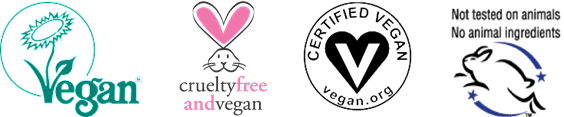
Thankfully, The FDA does not require animal testing for cosmetics or household products, and many cruelty-free and vegan options are widely available. Look for trusted labels (such as the “Leaping Bunny” logo) to ensure the products you use are cruelty-free and contain no animal-derived ingredients.
Veganism is a practice of justice that we believe extends beyond just the animals. The same systems in place that exploit animals are also closely tied to social, environmental, and economic oppression. Furthermore, industrial animal agriculture disproportionately impacts marginalized communities, damages our ecosystems, and contributes to climate change.
Living vegan is one of the best ways to reduce harm and stand in solidarity with all beings. Choosing plant-based foods, cruelty-free products, and ethical practices supports animals and protects the planet, but also advances social and environmental justice. True veganism intersects with human rights, climate action, and racial and economic equity, encouraging a broader, more compassionate approach to living in all aspects of life.

Meet Your New Best Friend
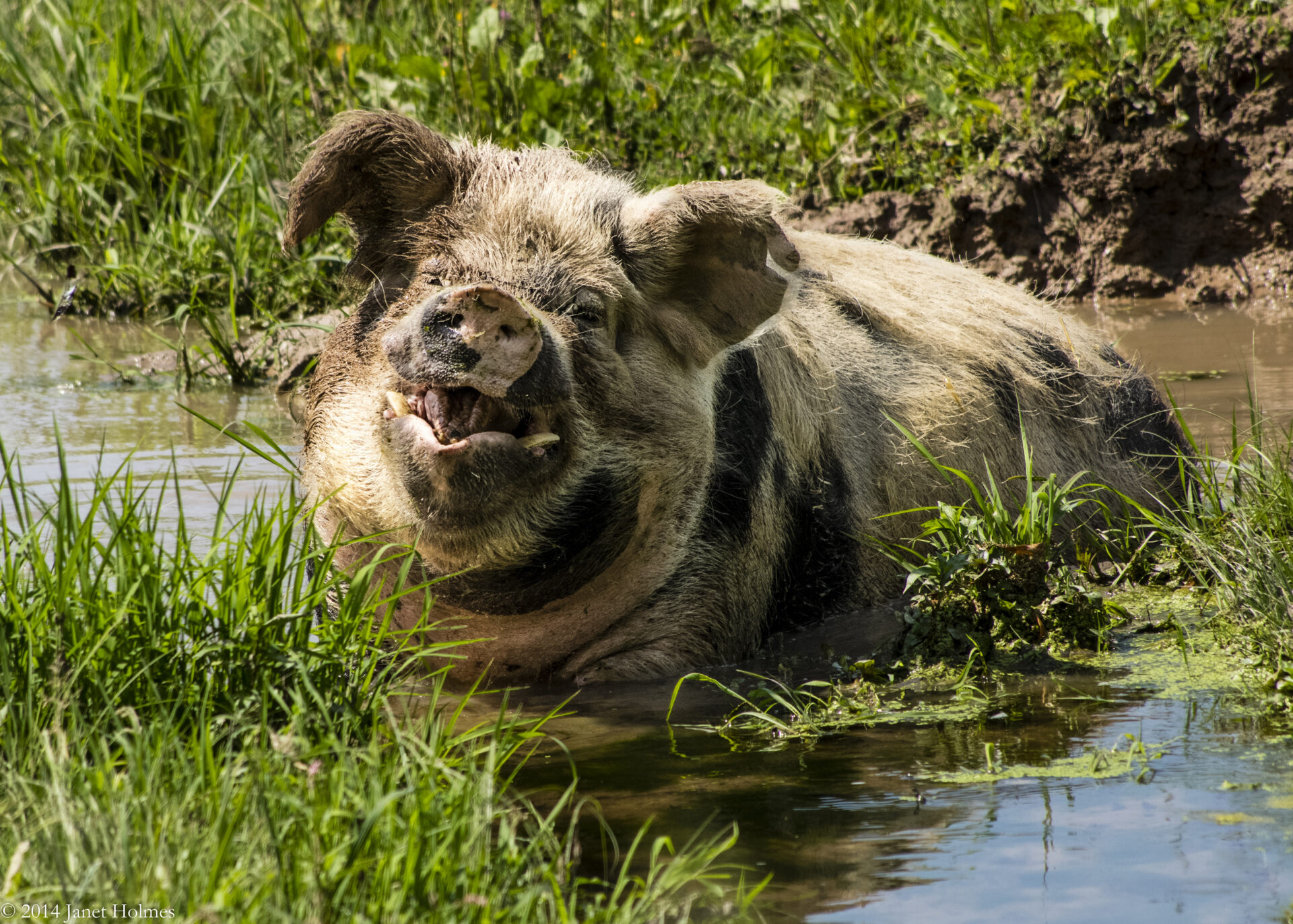
Animal sponsors receive regular updates and exclusive photos, private visits, & more! Sponsorship is the best way to support CAS and establish a life long relationship with a rescued animal.
Meet the AnimalsDonations provide the animals with food, water, and shelter.
Your gift changes lives.